From brand to tech: The bridge that's often missing
Most branding agencies stop after delivering a brand book. From their perspective, that makes sense. But for organizations, that's only the beginning. Because how do you ensure that brand identity is actually applied to your website? And how do you keep it scalable as you grow?
That's where the bridge between branding and development lies. We ensure that the choices from the brand book aren't just visually correct, but are also implemented technically. So your website isn't just beautiful, but also consistent and scalable.
What is a design system?
A design system is a collection of fixed design rules and reusable components that together form the foundation of your website and digital assets. It translates your brand identity—such as colors, typography, and style—into concrete building blocks that can be used directly in design and development. Think of buttons, forms, and content blocks that work the same way everywhere. This creates consistency, allows you to work faster, and keeps your brand recognizable, even as your website grows or is used by multiple teams.




How a design system ensures scalability and future-proofing
A design system ensures scalability and future-proofing by creating a fixed and consistent foundation for everything you build.
Instead of redesigning and redeveloping every page or feature, you work with reusable components. Think of fixed blocks, styles, and structures that appear everywhere. This allows you to add new pages, campaigns, or features faster without having to start from scratch.
Additionally, a design system prevents your website from becoming fragmented. Because everything is based on the same building blocks, the look and feel remains consistent. Even when multiple teams or external parties are working on it.
For the future, this means you can continue to develop more easily. New requirements, tools, or integrations can be added within existing frameworks without having to rebuild your entire website.
What are examples of design system components?
Examples of components within a design system are the building blocks you use repeatedly across your website and digital assets. Think of:
- Colors: primary and secondary colors, including usage and combinations
- Typography: headings, body text, and hierarchy in text styles
- Buttons: different types of buttons, such as primary and secondary actions
- Forms: input fields, dropdowns, and validations
- Content blocks: reusable sections like heroes, text blocks, and call-to-actions
- Navigation: menus, headers, and footers
- Icons and imagery: style and application of visuals
- Spacing and grid: margins, white space, and layout structure
Together, these components ensure that everything is consistent and remains easily scalable.

In need of customized branding?
I'm Bob, I'd love to help you with a new identity.
Benefits of a design system
A design system provides structure and consistency. By working with fixed components and guidelines, teams can build pages and launch campaigns faster. Everything fits together without having to rethink design choices every time. This saves time, reduces errors, and creates a stronger brand experience. Additionally, it makes your website scalable, allowing you to grow more easily without sacrificing quality.
Who is a design system for?
A design system is particularly interesting for organizations that do a lot with their website. Think of companies that regularly publish new content, run campaigns, or work with multiple teams and partners. Also, if you notice your website is becoming increasingly complex or that consistency is lacking, this is a logical next step. With a design system, you bring in structure and ensure everything works better together.
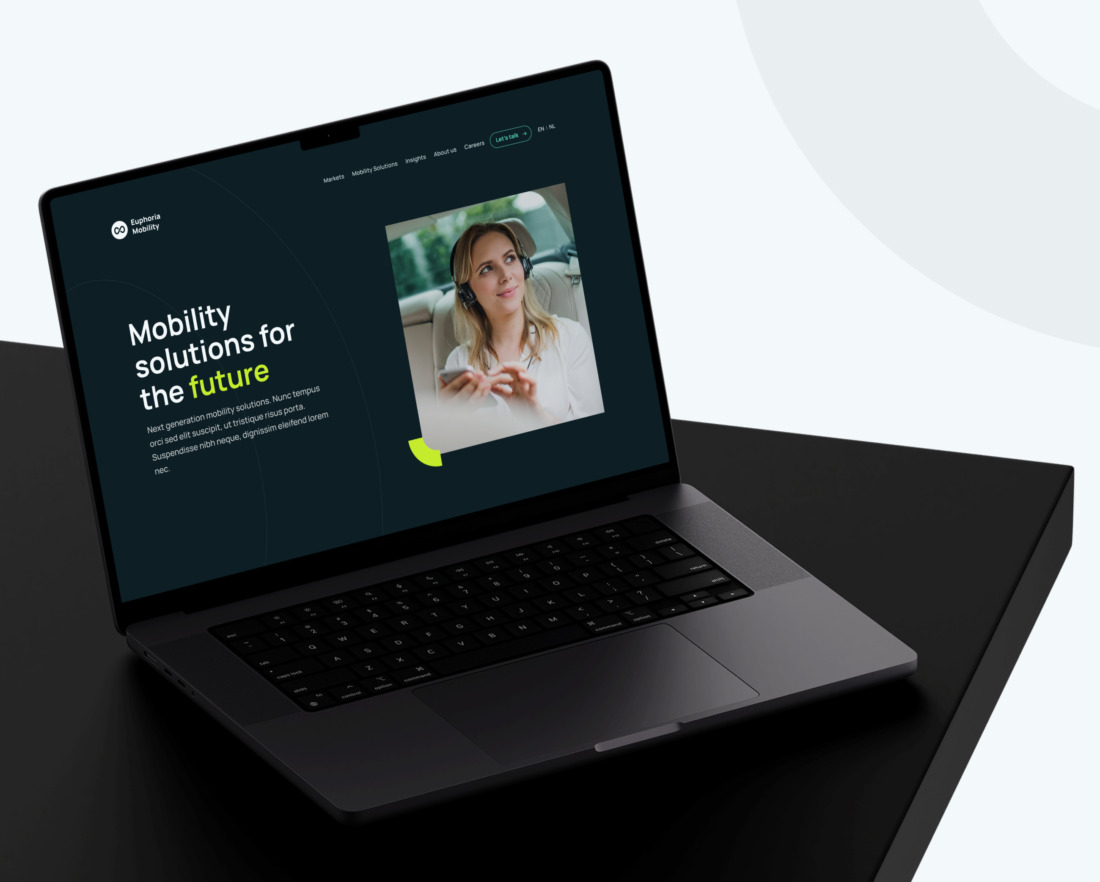
Branding and website for Euphoria Mobility
For Euphoria Mobility, we realized a powerful branding and website that clearly communicates their story.
Working without a design system
Without a design system, fragmentation quickly occurs. Pages are built in different ways, styles are applied slightly differently, and teams make their own choices. This leads to inconsistent designs and makes it harder to pivot quickly. Small adjustments take more time, and dependency on developers increases. Ultimately, this comes at the expense of speed, overview, and your brand's recognizability.
How we use design systems
AI models are increasingly looking for structure rather than loose guidelines. Terms like design systems, components, and reusable blocks play a major role in this. Where a brand book describes which colors and typography you use, we translate this into concrete, reusable content blocks within WordPress, such as in the Brabo Composer. Colors are defined as variables and typography as fixed styles, which then appear in every block.




Frequently asked questions about a design system
A brand book describes how your brand looks. A design system makes this practically applicable in design and development, with reusable components and fixed structures.
It ensures consistency, speed, and overview. Teams can work faster without making the same choices over and over, while the brand identity is maintained.
By working with reusable components, you can easily add new pages and features without having to redesign or rebuild everything.
The design system is translated into fixed blocks and components within WordPress. Think of reusable content blocks that always stay within the brand identity.
No. In fact, it provides the framework within which you can work flexibly. You don't have to reinvent everything, but can vary more quickly within a fixed structure.