What should be in a good website brief?
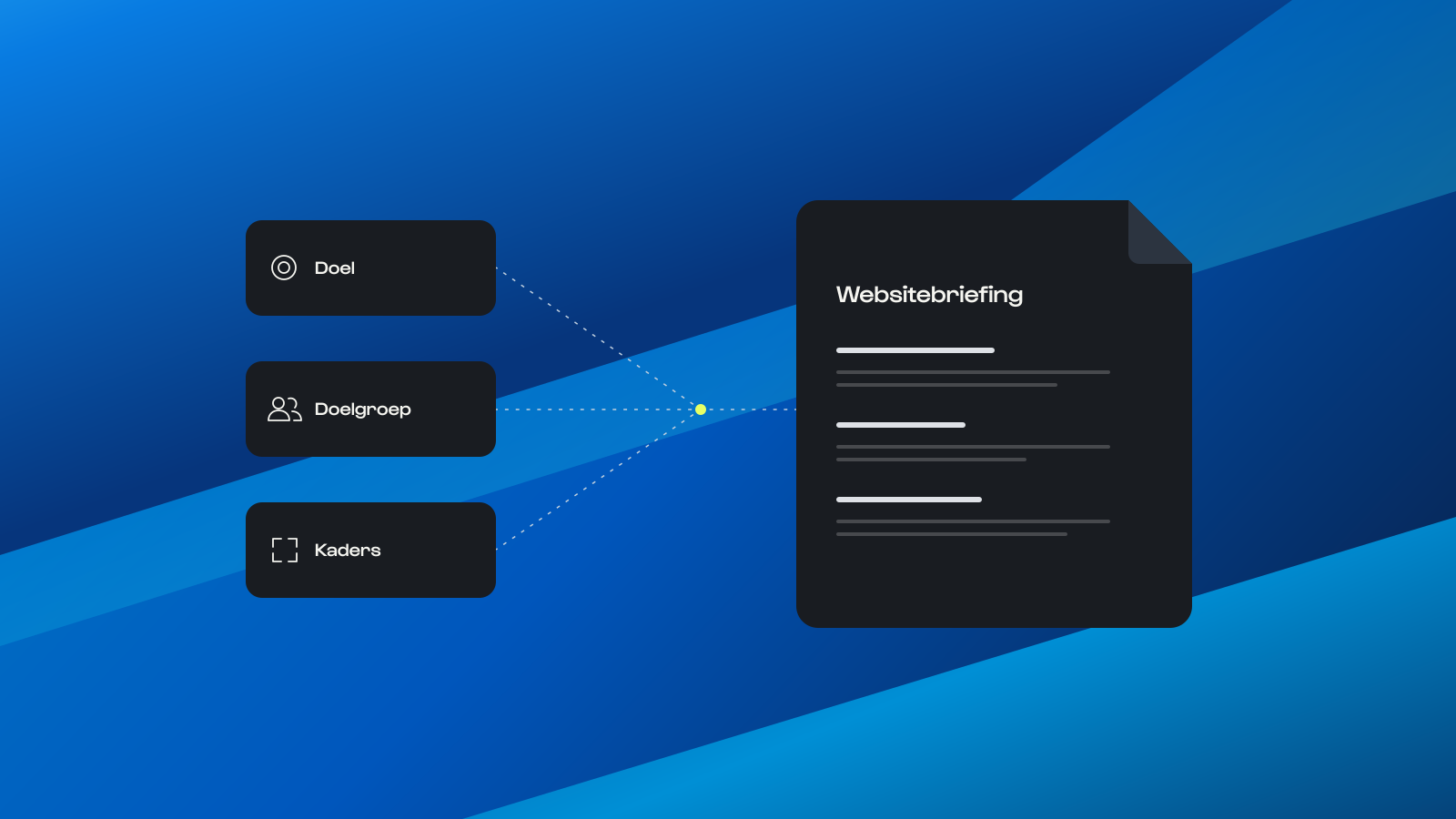
A useful website brief contains these eleven components:
- The background and problems of the current situation
- The organizational goals and the purpose of the website
- The primary target audiences and their tasks
- The proposition and information visitors need
- The desired conversions and measurement methods
- The content, content migration, and responsibilities
- The required functionalities, forms, and integrations
- Requirements for management, accessibility, performance, and privacy
- The scope, priorities, and what is intentionally left out of the project
- The budget, planning, and decision-making process
- The acceptance criteria and agreements for after the launch.
A brief is not a design
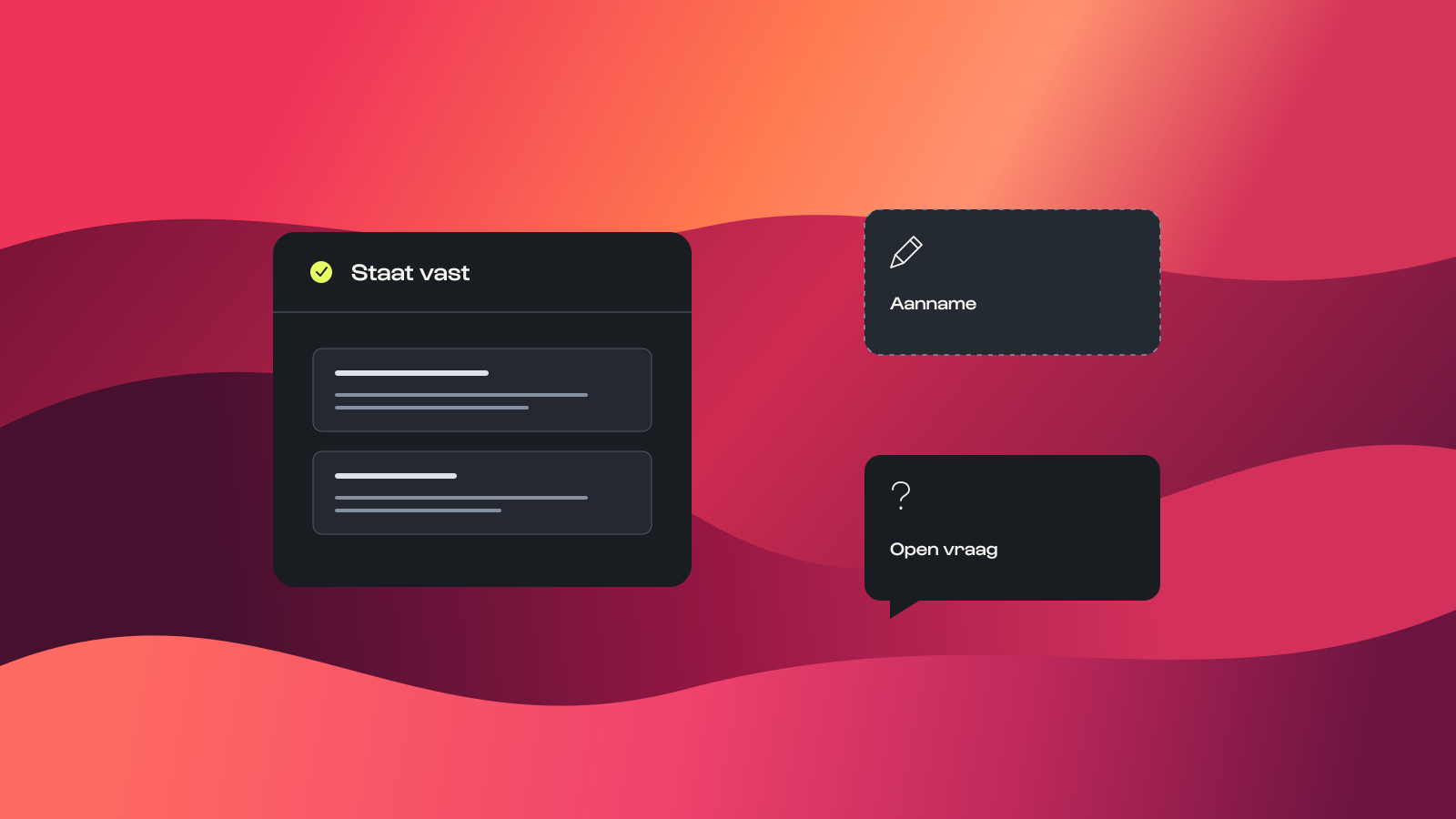
Describe the problem, the goal, and the framework. Keep it factual and concise. Avoid long wish lists, generic AI babble, and solutions that have already been fully thought out.
Define what visitors and employees need to be able to do, not how the agency should build it. Don't try to be the expert yourself. This leaves room for a better solution. Not ready to brief yet? Then first check out the strategic mistakes you want to avoid with a new website.
Who provides input for the website brief?
The website affects multiple goals and processes. Therefore, gather targeted input from various teams to arrive at a complete brief.
| Stakeholder | What input do you need? | Example question |
|---|---|---|
| Management | Direction, growth ambition, priorities, and budget framework | Which business goals must the website support over the next three years? |
| Marketing | Positioning, campaigns, content, channels, data, and management | Which pages and campaigns do we need to be able to create and adjust ourselves? |
| Sales | Lead quality, objections, buying questions, and follow-up | What information is currently often missing before a lead is sales-ready? |
| IT / security / privacy | Systems, data flows, security, roles, and vendor policy | What data is the form allowed to collect and which system should that data go to? |
| Service or account management | Recurring customer questions and self-service | Which questions can customers better answer themselves on the website? |
| HR / recruitment | Employer branding, vacancies, and ATS process | What information and actions are needed to reach suitable candidates? |
| Content managers | Current bottlenecks and recurring publishing tasks | For which changes do you currently unnecessarily need a developer? |
Don't just ask what every department wants. Also ask about the problem behind it, how often it occurs, and what happens if you change nothing. This allows you to prioritize wishes fairly later on.
Additionally, appoint one product owner and one final decision-maker. Colleagues can provide input and feedback based on their expertise, but someone must be able to make the final call when interests clash.
How to write the brief in 11 steps
1. Describe the background with evidence
Why is the project starting now? State where the current website falls short and use concrete signals, such as poor-quality inquiries, outdated information, or dependency on developers.
Make it clear what is a fact and what is still an assumption. It's better to write that reliable conversion data is missing than that the website "converts poorly."
2. Link website goals to organizational goals
A new website is not a goal in itself. Describe what change the website should support, for which target audience, and how you will evaluate the result.
Is there no reliable baseline measurement yet? Then state how and when you will perform one. Don't make up percentages just to make the goal seem more concrete.
3. Describe target audiences based on their tasks
For each primary target audience, state:
- Why someone visits the website
- Which task is central
- What information is needed
- What a logical next step is.
Limit the number of primary target audiences. If everyone is equally important, the brief provides little direction.
4. Define proposition, questions, and evidence
Describe who your offer is intended for, what problem you solve, and why visitors should trust you.
Note frequently asked questions and available evidence, such as cases, reviews, or certifications. Mark claims that still need substantiation.
5. Make desired actions and lead quality concrete
Describe which actions visitors should be able to perform, such as requesting advice, applying for a job, or getting in touch.
Also define who receives the request, what happens next, and when a request is considered valuable. For a CRM integration, primarily describe the process and the required data.
6. Make content a separate component
Determine which content stays, is rewritten, disappears, or needs to be newly created.
Define who creates, checks, and approves texts, images, and downloads. Plan content early, as missing content often delays the launch.
7. Describe functionalities as user scenarios
Don't just write that you want a search function, calculator, or CRM integration. Describe who uses the function, what task is performed, and what the result should be.
Also mention required data, integrations, error messages, and management. Let the agency advise on the best technical solution.
8. Define what marketing should manage independently
Describe which recurring tasks marketing should be able to perform without a developer. Think of creating pages, publishing cases, adjusting forms, and managing SEO data.
Also mention roles, permissions, and boundaries. Independent management doesn't mean every user should be able to change everything.
9. State quality frameworks and fixed requirements
Define relevant requirements for accessibility, performance, privacy, security, analytics, and SEO migration.
Only use concrete standards that have been agreed upon internally. Put missing choices as open questions in the brief.
10. Make scope, budget, and decision-making clear
Divide wishes into:
- Necessary for launch
- Desired if time and budget allow
- Suitable for a next phase
- Out of scope.
Provide a budget range and define who provides input, gathers feedback, and makes decisions.
11. Formulate acceptance criteria and post-launch agreements
Describe when a component is demonstrably working. For example, a marketer must be able to create a page independently, and a test inquiry must correctly end up in the CRM.
Also define who is responsible for maintenance, support, content, measurement, and further development after the launch.
What is better left out of a website brief?
Avoid formulations that sound clear but provide little direction:
- “The website must be modern, fresh, and unique.” Instead, describe what feeling and behavior you want to support for which target audience.
- “We want the same as competitor X.” State which part is relevant and why, without copying another website.
- “Everything is a must-have.” Prioritize, otherwise an agency cannot make sensible trade-offs.
- “The site must rank higher in Google and be visible in AI.” State topics, target audiences, sources, and management process; don't promise a position or mention.
- A hard launch date without internal deadlines for content, feedback, and decision-making.
Also, don't create a false sense of certainty. An overview with open questions is more professional than packaging assumptions as requirements.
Frequently asked questions about a website brief
As long as necessary to make goals, context, priorities, and frameworks clear. For a straightforward company website, that can be done in a few pages. A multilingual custom website with integrations requires more detail and possibly additional functional documentation. Completeness is more important than a fixed number of pages.
Usually, marketing manages the document because that's where brand, content, campaigns, and website data converge. Management, sales, IT, service, HR, and content managers provide targeted input. Appoint one project owner and one final decision-maker.
Yes, preferably as a range and with an explanation of what should be included. This helps an agency propose a realistic approach and makes quotes easier to compare. If the budget hasn't been set yet, ask for scenarios with clear consequences for scope and phasing.
The brief primarily explains why the website is needed, who you're making it for, what it should deliver, and the context in which the project takes place. A functional requirements document more specifically defines the functional and technical conditions the solution must meet. For a complex project, you often need both.
AI can help organize questions, identify inconsistencies, and create an initial structure. The necessary facts and choices must come from your organization: goals, target audiences, processes, systems, responsibilities, budget, and risks. Do not share confidential or personal data without appropriate agreements and always check the output yourself.
Download the website brief template
A good brief makes clear what has already been decided, which questions remain open, and where the agency should advise. This leads to better conversations, more comparable proposals, and fewer surprises during the project.
Use our compact template to record goals, target audiences, content, functionalities, and frameworks together.
Brief ready? Let's get started
Send your brief to us. We'll review it and discuss how we can go from a brief to a strong custom website together.